Source Furniture Decorate Floor Flange for Shelving, Decoration, Plumbing
Compare 16 listings for furniture decorate floor flange options including cast iron and carbon steel materials. Buyers can review sizes from 1/2 inch to 2 inches, various surface treatments like galvanized and sandblasted, and styles ranging from industrial to classical for open shelving and home decoration projects.
Key considerations
Products List




Comprehensive Sourcing Guide
Strategic Sourcing Guide for Furniture Decorate Floor Flange
Understanding Product Definitions and Core Attributes
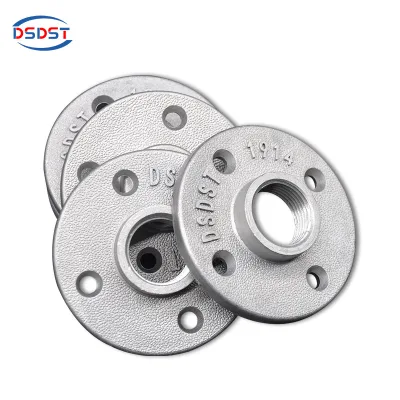
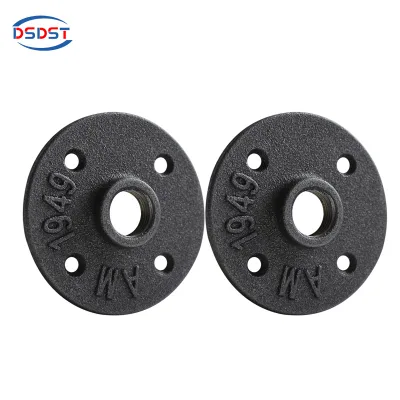
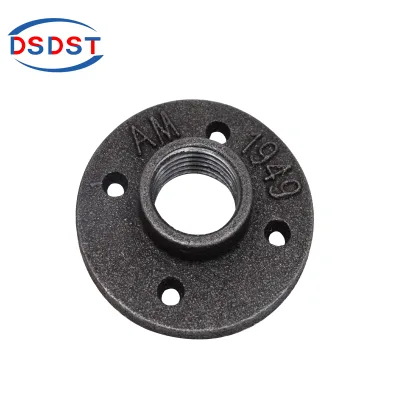
The term "furniture decorate floor flange" refers to a specific category of industrial fittings repurposed for interior design and structural support in modern and rustic furniture applications. These components serve as the critical interface between vertical supports, such as pipes or posts, and the floor surface, providing stability while contributing to the aesthetic character of the piece. Based on the available product data, these items are primarily identified as "Threaded Connection Flange" units, often designated with specific model numbers such as HH001 or HH111. The fundamental structure of these flanges is consistently described as "Round," designed to accommodate the cylindrical nature of the piping systems they support.
A primary observation in the current market is the diversity in material composition. While some units are constructed from "Metal" with a specific "Pipe Material" of "Carbon Steel" and "Fittings Material" of "Cast Iron," other variations in the category utilize "Wood" as a primary material, particularly in applications where the flange acts as a decorative base rather than a structural connector. The manufacturing process for the metal variants is predominantly "Casting," which allows for the creation of complex shapes and robust structural integrity required for load-bearing furniture. The "Structure" is uniformly round, ensuring a seamless fit with standard pipe diameters.
The aesthetic presentation of these flanges is a significant driver for their selection in the furniture sector. The "Style" attributes observed range widely, encompassing "Antique," "Rustic," "Industrial," "Classical," and "Modern" designs. This variety allows procurement managers to source components that align with specific interior design themes, from exposed-pipe industrial lofts to traditional home decoration projects. The "Color" options are equally varied, with "Silver" and "Black" being the most frequently cited finishes. These colors are not merely cosmetic but are often the result of specific surface treatment processes that also serve a protective function.
Technical Specifications and Standard Compliance
When evaluating floor flanges for procurement, technical specifications must be scrutinized to ensure compatibility with existing piping systems and furniture designs. The "Size" specifications observed in the market include precise measurements such as "3/4 inch" and "1/2 inch," alongside a broader range of "3/4 inch, 1 inch, 1-1/4 inch, 1-1/2 inch, and 2 inch" for larger industrial applications. It is critical for buyers to verify that the selected flange matches the thread diameter of the pipe being used, as mismatches can lead to structural failure or aesthetic inconsistencies.
Thread compatibility is another paramount technical consideration. The data indicates that "Bsp" (British Standard Pipe) and "NPT" (National Pipe Taper) threads are available. Some listings specify "Bsp/NPT" as a combined capability, suggesting versatility in threading standards. Buyers must confirm the specific thread standard required for their project, as mixing standards can result in improper sealing or connection failure. The "Sealing Surface" is noted as "FF" (Flat Face), a standard configuration that ensures a secure, leak-free connection when paired with appropriate gaskets or sealing mechanisms, although in furniture applications, the sealing aspect is often secondary to mechanical stability.
Compliance with industry standards is essential for ensuring quality and safety. The observed product data references "ANSI" and "BSW" (British Standard Whitworth) standards. These standards govern the dimensions, tolerances, and thread forms of the flanges. When sourcing, buyers should verify that the supplier explicitly states adherence to these standards. The "prod_standard" field often reiterates the size (e.g., "3/4 inch" or "1/2 inch"), which serves as a shorthand for the dimensional compliance of the product. It is important to note that while these standards are listed, the specific certification documents or test reports validating these claims should be requested from the supplier to ensure the product meets the rigorous requirements of the intended application.
Surface Treatments and Material Durability
The longevity and visual appeal of furniture floor flanges are heavily dependent on the surface treatment applied during manufacturing. The data highlights several distinct treatment methods, including "Galvanized," "Electrophoretic Coating," and "Sandblasted." Each of these processes offers unique benefits regarding corrosion resistance and aesthetic finish.
Galvanization is a common treatment for carbon steel and cast iron flanges, providing a robust layer of zinc protection that prevents rust and corrosion. This is particularly relevant for flanges used in environments with higher humidity or for furniture that may be exposed to occasional moisture. The "Electrophoretic Coating" process offers a more uniform and durable finish, often resulting in a smooth, consistent color that is resistant to chipping and fading. This method is frequently associated with the "Black" color option observed in the product listings.
For a more textured, industrial look, "Sandblasted" surfaces are utilized. This process removes impurities and creates a matte finish that can be further treated with paints or coatings. The "Condition" of the products is consistently listed as "New," indicating that the surface treatments are applied to fresh, unused materials. The "Material" composition, whether "Carbon Steel," "Cast Iron," or "Wood," dictates the appropriate surface treatment. For instance, wood flanges may not require the same level of metallic corrosion protection but must be treated to resist wear and tear in high-traffic areas.
The "Color" of the flange is a direct result of these treatments. "Silver" finishes are typically associated with galvanized or untreated metal, while "Black" finishes are often the result of electrophoretic coating or specific painting processes. Buyers should verify the durability of the color finish, especially for furniture that will undergo frequent cleaning or exposure to sunlight, to ensure the aesthetic remains intact over time.
Cost Drivers and Procurement Economics
The economics of sourcing furniture floor flanges are influenced by a complex interplay of factors, including material costs, manufacturing complexity, and order volume. The observed "MOQ" (Minimum Order Quantity) ranges from a low of "1 Piece" to a high of "50,000" units, indicating a market that caters to both individual designers and large-scale manufacturers. The "Sample" availability is noted as "Available and Free," which is a significant advantage for buyers looking to test product quality before committing to a large order.
The "Price" range observed in the market is substantial, spanning from "0.18 USD" to "11.5 USD" per unit. This wide variance is driven by several key factors. First, the material composition plays a major role; flanges made of "Cast Iron" or high-grade "Carbon Steel" will generally command a higher price than those made of wood or lighter metals. Second, the complexity of the surface treatment affects the cost. Galvanized or electrophoretically coated flanges require additional processing steps compared to sandblasted or raw metal units. Third, the size and thread specifications influence the price, with larger diameters and specialized thread types often costing more.
Customization is a significant cost driver. The "Customization" attribute is listed as "Available," and specific models are noted as "Customized." This allows buyers to request specific dimensions, finishes, or branding, but it inevitably increases the unit cost and may extend the lead time. The "Delivery" time is observed to be around "30 Working Days," which is a standard timeframe for customized or large-volume orders. Buyers should factor this lead time into their production schedules to avoid delays.
The "Package" and "prod_packing" details also impact the overall cost. Options range from "by Carton" and "White Box" to "One by One Use Plastic Film." More robust packaging solutions, such as individual plastic film wrapping or white boxes, add to the cost but provide better protection during shipping, reducing the risk of damage. For high-value or delicate items, investing in superior packaging is often a prudent decision.
Typical Applications and Design Integration
Furniture decorate floor flanges are versatile components used in a wide array of applications, ranging from functional structural supports to purely aesthetic design elements. The "Application" categories observed include "Open Shelving," "Home Decoration," "Plumbing Style Furniture," and "Shelf Bracket." These applications highlight the dual role of the flange: to provide stability and to enhance the visual appeal of the furniture.
In "Open Shelving" projects, floor flanges serve as the base for vertical supports, allowing for the creation of sturdy, industrial-style shelving units. The "Round" structure and "Threaded Connection" design ensure that the shelves can be securely attached to the floor and the vertical posts. For "Home Decoration," these flanges are often used in conjunction with "Wood" or "Metal" elements to create unique, statement pieces that blend functionality with artistic expression. The "Style" attributes, such as "Antique," "Rustic," and "Industrial," make them ideal for projects aiming to evoke a specific historical or thematic ambiance.
"Plumbing Style Furniture" is a niche but growing application where the flanges are used to mimic the look of exposed plumbing systems. This style is popular in modern and loft-style interiors, where the flanges act as the foundation for tables, chairs, and other furniture pieces. The "Number of Layers" attribute, noted as "Four" in some listings, suggests that these flanges can be stacked or layered to create complex, multi-tiered structures, adding depth and dimension to the design.
The "Door" attribute, listed as "1 Door," indicates that some flanges are designed to support or integrate with door mechanisms, although this is less common in standard furniture applications. More frequently, the flanges are used as "Railing Support Flange" components, providing a secure anchor point for handrails and balustrades. The "Folded" attribute, noted as "Unfolded," suggests that some flanges may be designed in a flat-pack format for easier shipping and assembly, which is a practical consideration for large-scale furniture manufacturing.
Supplier Evaluation and Quality Assurance
Selecting the right supplier for furniture floor flanges requires a rigorous evaluation process that goes beyond price and lead time. Buyers should prioritize suppliers who demonstrate transparency in their manufacturing processes and adherence to quality standards. The "Manufacturing Way" of "Casting" is a key indicator of the production method, and buyers should verify the supplier's capability to maintain consistent quality in their casting operations.
Quality control is paramount, especially given the structural role these flanges play in furniture. Buyers should request detailed information on the "Standard" compliance, specifically regarding "ANSI" and "BSW" standards. While the data lists these standards, it is the supplier's responsibility to provide evidence of compliance, such as test reports or certification documents. The "Condition" of the product being "New" is a basic requirement, but buyers should also inspect the surface finish for defects, such as uneven coating, rust spots, or casting imperfections.
The "Material" composition is another critical factor in supplier evaluation. Suppliers should be able to provide detailed specifications on the "Pipe Material" (Carbon Steel) and "Fittings Material" (Cast Iron) to ensure they meet the required strength and durability standards. For wood-based flanges, the type of wood and the treatment process should be clearly documented to prevent issues with warping or decay.
Supplier reliability is also assessed through their "MOQ" flexibility and "Delivery" times. While the observed MOQ ranges from 1 to 50,000, buyers should negotiate terms that align with their production needs. A supplier offering a low MOQ with a reasonable lead time of "30 Working Days" may be more suitable for small to medium-sized orders, while a supplier capable of handling large volumes with consistent quality is essential for mass production. The "Sample" availability is a valuable tool for evaluating supplier quality, allowing buyers to physically inspect the product before placing a large order.
Long-Term Procurement and Maintenance Considerations
Sourcing furniture floor flanges is not just a one-time transaction but part of a long-term procurement strategy that involves maintenance and lifecycle management. The "Surface Treatment" applied to the flanges plays a crucial role in their longevity. Galvanized and electrophoretically coated flanges generally offer superior resistance to corrosion and wear, making them suitable for high-traffic areas or environments with fluctuating humidity. Buyers should consider the maintenance requirements of the chosen finish; for example, sandblasted surfaces may require periodic re-coating to maintain their appearance and protection.
The "Style" and "Color" of the flanges should be selected with future trends and maintenance in mind. While "Antique" and "Rustic" styles are popular, they may require more frequent cleaning and care to maintain their aesthetic appeal. "Modern" and "Industrial" styles, often featuring "Black" or "Silver" finishes, may be easier to maintain and more versatile in changing design contexts.
Buyers should also consider the "Package" and "prod_packing" options for long-term storage and shipping. Robust packaging, such as "White Box" or individual "Plastic Film" wrapping, ensures that the flanges remain in pristine condition until they are ready for assembly. This is particularly important for large orders where the flanges may be stored for extended periods before use.
Finally, the "Customization" aspect should be leveraged strategically. While customization adds value, it also introduces complexity. Buyers should ensure that the customized specifications are clearly documented and that the supplier has the capacity to reproduce these specifications consistently for future orders. This ensures that the furniture pieces remain uniform and maintain their quality over time, reducing the risk of replacement or repair costs in the long run. By carefully considering these factors, buyers can build a sustainable and efficient procurement process for furniture floor flanges that meets both current and future needs.
FAQs
What manufacturing process is used for metal floor flanges?
Metal floor flanges are primarily produced using the casting process. This method ensures robust structural integrity and allows for complex shapes suitable for load-bearing furniture applications.
Which thread standards are available for these flanges?
Available thread standards include Bsp and NPT, with some models supporting both Bsp/NPT combinations. Buyers must verify the specific standard required to ensure proper connection with existing piping systems.
Can I find flanges with customized designs and finishes?
Yes, customization is available for these products, allowing for specific dimensions and finishes. This option may increase the unit cost and extend the delivery time to approximately 30 working days.
What surface treatments protect the flanges from corrosion?
Common surface treatments include galvanizing, electrophoretic coating, and sandblasting. These processes provide varying levels of rust resistance and aesthetic finishes like silver or black for different interior styles.
How does the minimum order quantity vary for these items?
The minimum order quantity ranges from 1 piece to 50,000 units depending on the supplier and product type. Free samples are often available for buyers to test product quality before placing larger orders.
What materials are used to construct these decorative flanges?
Materials include carbon steel, cast iron, and wood, depending on the specific application. Metal variants typically feature cast iron fittings, while wood options are used for purely decorative base elements.